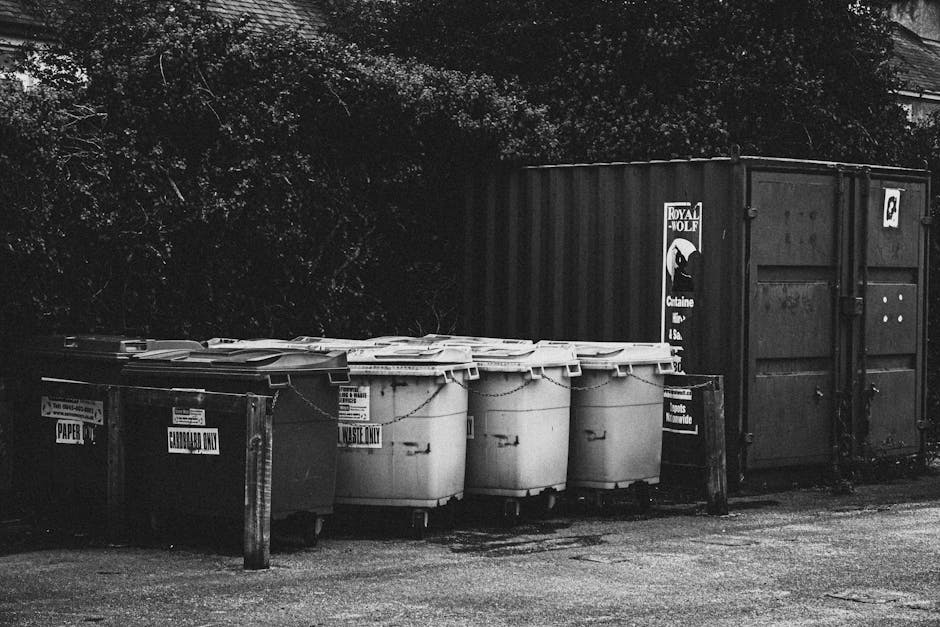
Office Clearance in Hackbridge

Office clearance in Hackbridge needs a practical, orderly approach that keeps the work moving while avoiding unnecessary disruption to your day. Whether you are changing premises, reducing surplus furniture or clearing out a workspace that has built up old equipment and storage, our office clearance service is set up to remove items methodically and leave the space ready for its next use. We handle mixed contents carefully, separating what can be moved, what needs to be dismantled and what should be identified for recycling or responsible disposal.
Commercial clearances often involve more than simply taking away desks and chairs. Filing cabinets, reception furniture, shelving, archive boxes, small electrical items and general office clutter can all form part of the same project, so a clear plan helps the job progress efficiently. Pricing and quotes matter because every office has a different layout and volume of items, and the right preparation depends on access, lifting requirements and the type of furniture or equipment involved. We keep the process straightforward and focused on the items that need to go.
For businesses in Hackbridge, the goal is usually to clear space without creating extra admin. A simple list of what stays and what leaves, along with any access notes, is often enough to shape the work. If you are comparing options, the useful question is not only what can be removed, but how it will be managed once it is collected. Start with the essentials, then build the rest around the rooms, floors or storage areas that need attention.
Office Clearance Planning and Preparation
Every office clearance benefits from a clear structure, particularly where workstations, shared storage and archive areas are mixed together. Before removal begins, it helps to decide whether the task is a full clearance, a partial office tidy-up or a targeted collection of surplus items. That distinction affects which rooms are tackled first, how dismantling is handled and whether larger pieces need to be split down before loading. A measured approach keeps useful items separate from those that are ready to leave.
There are a few practical details that make commercial clearance smoother. A concise inventory, a note of any bulky items and information about lift access or stair use can all help to shape the work. If certain rooms must remain operational, those boundaries should be clear from the start. You do not need to overcomplicate the enquiry; two or three sentences about the scope is often enough. For a straightforward start, identify the areas that are off limits, the items that are staying and any deadlines for handover.
In many offices, the most time-consuming part is not the lifting itself but the sorting. Old stationery, redundant equipment, archived records and worn furniture may all sit in the same storage zone, yet they need different handling. A sensible clearance separates reusable office furniture from broken or obsolete pieces, and it keeps recyclable material out of general waste where possible. That is especially useful when a lease end, refurbishment or relocation leaves little room for delay.
Furniture and Equipment Removal
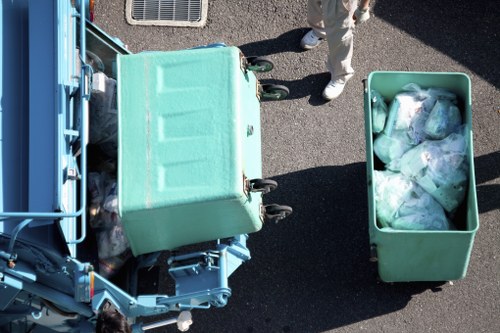
Office furniture is often the largest part of a clearance, and it can include desks, chairs, boardroom tables, cabinets, pedestal units and shelving. Some items are ready to move as they are; others may need to be dismantled first to pass through narrow corridors or reduce the lifting load. We remove office furniture in a way that respects the layout of the building and the condition of the item, so that reusable pieces are handled differently from damaged ones.
Old equipment can take up surprising space in a workplace, especially when replacement cycles leave a mix of monitors, printers, telephones and small appliances behind. These items should not be treated as ordinary clutter, because they may need separating from bulkier furniture and managed in line with their material type. If you have a mixture of furniture and equipment, it is helpful to group the items by room or by category before collection. That makes the overall clearance more orderly and keeps the process easier to review.
Useful items to identify in advance include:
- desks, chairs and meeting tables
- filing cabinets, shelving and storage units
- computer equipment and peripherals
- reception furniture and visitor seating
- broken fixtures that need dismantling
Archives, Paperwork and Office Storage
Archive areas often create a different kind of clearance challenge because the contents are compact, mixed and easy to underestimate. Box files, paperwork, folders, binders and storage crates can build up over time, especially in offices that have kept older records on site for longer than planned. A careful office clearance handles these items with the same attention as larger furniture, particularly where the storage space is stacked tightly or the boxes need moving from high shelves.
It is usually better to decide early what stays and what goes, rather than leave records to be sorted during loading. That can save time and reduce the risk of moving items that should remain in place. If there are confidential materials among the stored contents, those should be identified before the work begins so they can be treated appropriately. Even when a clearance is not primarily about records, archive cupboards and lockable cabinets often hide the most difficult decisions in the room.
Office storage also includes the smaller objects that are easy to overlook: spare monitors, promotional items, unused stationery, display stands and old office accessories. These pieces may not weigh much individually, but they add up quickly when a room has been used as a catch-all store. A tidy, itemised approach is more effective than trying to judge the load at a glance, and it gives you a better sense of what the clearance will involve.
Clearance for Relocation, Refits and End-of-Tenancy Work

Office clearance is often tied to a change in use rather than a single tidy-up. Relocations, fit-outs and end-of-tenancy projects all require a space to be emptied in a controlled way, sometimes while other teams are still working nearby. In those situations, the clearance needs to fit around the broader timetable so that furniture removal, waste sorting and final checks happen in a logical order. This is one reason why a structured service matters more than a quick one-off lift.
When a workplace is being handed back or reconfigured, the work may involve more than visible floor items. Wall-mounted storage, whiteboards, noticeboards, small meeting-room fittings and loose items in cupboards can all become part of the same clearance. If the space is being prepared for contractors or a landlord inspection, the aim is usually to leave the area clear, accessible and free of leftover clutter. That often means paying attention to corners, under-desk areas and any storage spaces that are easy to miss during a rushed move.
For businesses that are coordinating multiple trades, the best approach is to sequence the clearance alongside the rest of the project. Remove what is no longer needed, keep agreed items in place, and avoid mixing the clearance with unrelated maintenance tasks. That helps everyone working on site and makes the final handover easier to manage. Contact us when the scope is clear and you want to discuss the most suitable way to proceed.
Recycling, Reuse and Responsible Disposal
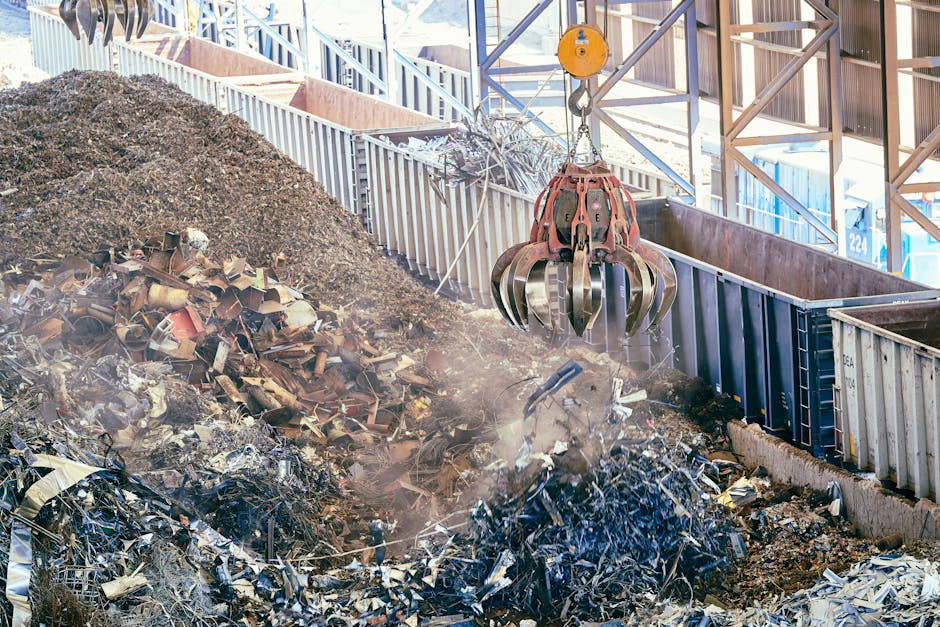
Office clearance should not end at the point where items leave the building. A good service considers what can be reused, what can be recycled and what needs a different disposal route altogether. Furniture may have a second life if it remains in usable condition, while damaged or obsolete items often need to be separated into material types before disposal. That sorting step is one of the main differences between a careful clearance and a simple load-and-go approach.
Paper, cardboard, metal frames, plastics and electrical components each need attention in their own way. The more varied the office contents, the more important it becomes to keep the sorting process deliberate. Some items may appear similar at first glance but require different handling because of their construction or contents. Responsible disposal is therefore not just a finishing stage; it is part of the planning from the start. If your office has mixed waste streams, that is worth mentioning when you ask for a quotation.
Recycling and responsible disposal also help to keep a clearance tidy from a customer point of view. When items are separated properly, the job is easier to check and the remaining space is easier to hand over. That is useful whether the clearance is for a small office suite, a shared workspace or a larger commercial floor. It also means the end result is more than an empty room: it is a space that has been cleared with purpose.
About Hackbridge
Hackbridge is a district in the London Borough of Sutton, close to the boundary with Merton in south-west London. It sits along the River Wandle, a modest but historically significant waterway that has shaped settlement and industry across the wider valley for centuries. The area grew in association with transport and manufacturing, with rail connections helping to strengthen its role as a suburban centre in the nineteenth and twentieth centuries. Today, Hackbridge is known for a mix of residential streets, local shops and newer development around the station area, alongside older reminders of the village and industrial landscape that once characterised the valley. The surroundings include parts of the Wandle Trail corridor, which links green and riverside routes through the boroughs it crosses, and nearby open spaces that soften the urban edge. Much of the local character comes from this contrast between the river, the railway and the layered built environment. Housing ranges from older terraces and interwar streets to more recent apartment developments, while civic and community life is spread across nearby centres such as Carshalton and Wallington. That blend of movement, neighbourhood scale and waterside geography gives Hackbridge a distinct place within south London, with a history that is visible not only in maps and transport links but also in the pattern of streets and open spaces.
Office Spaces, Storage Areas and Building Access

One of the main practical questions in any office clearance is how the building works. Lift access, shared corridors, loading points, parking restrictions and reception procedures all influence the order of the job. If furniture has to move through narrow routes or across multiple floors, the clearance should be planned around those conditions rather than treated as a simple lift from A to B. This is especially true in occupied buildings where access must stay available for other users.
Storage areas need the same care as main offices, sometimes more. Small rooms, basement stores and back-office cupboards often contain a mix of old stock, broken items and forgotten equipment, which can make them harder to clear than the open-plan floor itself. A well-planned visit starts with a review of these spaces so that no hidden clutter is left behind. Where needed, dismantling and staged removal can make the work safer and more efficient, particularly for bulky cabinets or stacked furniture.
For many customers, the key decision is whether to clear in one pass or tackle different parts of the office in stages. Staged removal can be useful if staff are still working on site or if certain rooms must stay operational. The right choice depends on the layout, the volume of items and the time available before the space needs to be handed over. If you are unsure, a brief discussion of the floor plan and contents usually points to the most sensible option.
What Affects the Scope of an Office Clearance
The scale of office clearance work depends on several practical factors rather than on room size alone. The type of furniture, the amount of dismantling required, the number of floors involved and the condition of the items all shape the time and handling needed. An office with simple, lightweight contents is very different from one filled with filing cabinets, archive boxes and older equipment. Clear details at the outset help set realistic expectations.
Access is another important factor. A ground-floor suite with direct loading access is easier to clear than an upper-floor office reached through shared corridors or a narrow stairwell. Likewise, an office with all items gathered in one space is simpler than one where items are spread across meeting rooms, storage cupboards and individual desks. The aim is not to overstate the complexity, but to recognise what is genuinely involved so that the clearance can be arranged properly.
Here are the main points that usually shape the job:
- the volume and type of furniture to be removed
- whether items need dismantling before movement
- the number of rooms, floors or storage areas involved
- the access route available within the building
- the amount of sorting needed for mixed contents
Requesting a Quotation for Office Clearance

When you are ready to request a quotation, it helps to describe the office in practical terms rather than in broad generalities. The most useful details are the type of contents, the access conditions, the number of areas to be cleared and any items that must remain on site. If you can outline whether the job is a full clearance, a partial removal or a combined furniture and equipment collection, that gives a clearer starting point for estimating the work.
You do not need a long explanation, but a short, accurate summary is far better than a vague request. Mention any stair use, lift access, loading restrictions or time windows that could affect the job, and add anything else that may change the arrangement of the clearance. A clear quotation process should make it easier to compare the scope of work without turning the enquiry into a long exchange. Keep the request factual, item-focused and easy to review, and the rest can be discussed from there.
If you want to move ahead, make the first note simple: the service you need, the area to be cleared and the date or window that matters most. Request a quotation for office clearance in Hackbridge when you are ready to turn the plan into a booked job, and we can take the next step from there.