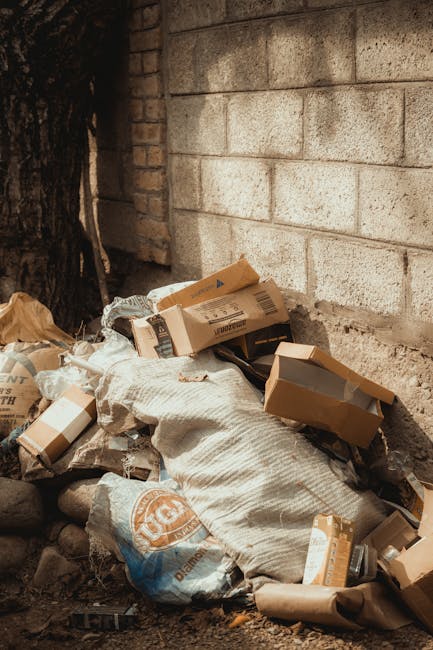
Avoid Fly-Tipping in Hackbridge: Steps When Waste Piles Up
If waste has started to pile up outside your home, yard, rental property, or business in Hackbridge, you're probably feeling that familiar mix of annoyance and pressure. Bits of packaging, old furniture, builder's rubble, garden waste, maybe a skipped bin day or two-suddenly the space feels cluttered, awkward, and a bit exposed. And let's face it, once rubbish starts gathering, it can spiral fast.
This guide explains how to avoid fly-tipping in Hackbridge when waste piles up, what sensible steps to take before it becomes a bigger problem, and how to handle the mess in a way that protects your property, keeps neighbours happy, and reduces the risk of illegal dumping. You'll find practical advice, local context, a simple step-by-step plan, and a few decision-making tips that people often wish they'd had earlier. Nothing fancy. Just the useful stuff.
For readers looking at wider waste issues around homes, shops, landlords, or renovation jobs, it can also help to understand the bigger picture of local waste handling. If you're planning a one-off clearance or a recurring collection, the service information on waste removal services and the broader services overview can be a sensible starting point.
Table of Contents
- Why Avoid Fly-Tipping in Hackbridge: Steps When Waste Piles Up Matters
- How Avoid Fly-Tipping in Hackbridge: Steps When Waste Piles Up Works
- Key Benefits and Practical Advantages
- Who This Is For and When It Makes Sense
- Step-by-Step Guidance
- Expert Tips for Better Results
- Common Mistakes to Avoid
- Tools, Resources and Recommendations
- Law, Compliance, Standards, or Best Practice
- Options, Methods, or Comparison Table
- Case Study or Real-World Example
- Practical Checklist
- Conclusion
- Frequently Asked Questions
Why Avoid Fly-Tipping in Hackbridge: Steps When Waste Piles Up Matters
Fly-tipping is more than a messy eyesore. In a place like Hackbridge, where homes, shared access roads, side alleys, and small business premises can all sit close together, a growing waste pile can quickly become everyone's problem. One bag left beside a bin can become three. A broken chair turns into a mini dumping point. Before long, people stop noticing where their own rubbish ends and someone else's begins.
That's the real issue. Once waste is left in an accessible spot, it can attract more dumping. Passers-by see it as "already there," and, to be fair, some just take the easy option. Rain, wind, and pests make it worse. A wet cardboard box, a torn black sack, or loose insulation can spread across the pavement before you've had a chance to sort it.
There's also the reputational side. For landlords, managing agents, shop owners, and tradespeople, unmanaged waste sends the wrong signal. For residents, it can affect day-to-day life in a very ordinary but frustrating way: smells near the front gate, blocked access, complaints from neighbours, or that sinking feeling when you open the curtains in the morning and see the pile has grown again overnight.
In practical terms, preventing fly-tipping is about control. You're trying to keep waste moving through a proper route instead of letting it sit and become a nuisance. That is especially important if you're dealing with bulky items, renovation debris, garden cuttings, or mixed rubbish from a clear-out. The longer it sits, the harder it is to manage cleanly.
If you need support with household or mixed waste, the area-specific page on we remove waste in Banstead shows how local collection services can fit around residential and small commercial needs, while the Balham waste removal page is useful for understanding how localised services tend to be organised across South London.
How Avoid Fly-Tipping in Hackbridge: Steps When Waste Piles Up Works
The process is simpler than many people expect. The key is not to wait until the pile becomes unmanageable. Once waste starts accumulating, you need to decide what it is, how quickly it needs moving, and whether it can go through a regular collection or needs a more direct clearance.
Usually, the practical workflow looks like this:
- Identify the waste type. Is it household rubbish, builders' waste, garden material, or bulky items? Mixed waste can affect how it should be handled.
- Separate reusable or recyclable items. Even a rough sort can reduce volume and cost.
- Contain the pile. Keep it tidy, covered if needed, and away from shared access points.
- Choose the collection route. That may mean scheduled removal, a one-off clearance, or using a local waste contractor.
- Remove it promptly. Fast removal is what stops the problem from growing teeth, so to speak.
The "how" also depends on the setting. A homeowner with a broken sofa and a few bags of clutter is in a different position from a landlord dealing with end-of-tenancy waste or a builder clearing rubble after a job. The volume, urgency, and access all matter. That is why there isn't one universal answer, just a sensible sequence of actions.
In many cases, the best approach is a tidy interim hold followed by a planned clearance. That means not dumping it in a random corner and hoping for the best. A covered, clearly defined area is far better than an untidy spill-out beside the path. It sounds basic, but basic works.
If the waste is linked to an ongoing property project, you may also want to review the commercial waste removal option or the builders waste removal service, depending on the type and source of the material.
Key Benefits and Practical Advantages
Avoiding fly-tipping is not just about staying on the right side of rules. It delivers real, everyday benefits that show up quickly once waste is handled properly.
Cleaner access and fewer complaints
When rubbish is kept under control, people can move around safely and comfortably. That matters in front gardens, shared pathways, alleyways, loading areas, and back-of-house spaces. Nobody enjoys stepping around a stack of broken bags on the way to the front door.
Lower risk of secondary dumping
A clean area is less tempting to people looking for an easy drop-off point. This is one of those unglamorous truths. Waste left out in view tends to attract more waste.
Better hygiene and fewer pests
Food containers, soft furnishings, and garden waste can all invite pests or create unpleasant odours. Even in cool weather, smells build up faster than you might expect, especially where air movement is poor.
Less stress and fewer last-minute scrambles
People often wait until the pile becomes urgent, then end up making rushed decisions. A calmer plan usually saves time, and sometimes money too. Truth be told, the panic stage is rarely the most efficient stage.
Better presentation for homes and businesses
For businesses, clear waste management supports customer confidence. For landlords and owners, it supports property value and day-to-day usability. For households, it simply makes life feel less cluttered. That's no small thing.
| Outcome | If Waste Piles Up | If Managed Early |
|---|---|---|
| Street appearance | Messy, noticeable, easier to worsen | Tidy, contained, less likely to attract attention |
| Risk of fly-tipping | Higher, especially in accessible spots | Lower, because there is less opportunity |
| Property impact | Complaints, access problems, possible damage | Better presentation and fewer disruptions |
| Stress level | More pressure, more urgency | More control, more breathing room |
Who This Is For and When It Makes Sense
This guidance is useful for a wide range of people, because piled-up waste rarely affects just one type of property. The patterns are surprisingly similar.
- Homeowners dealing with loft clear-outs, garden waste, broken furniture, or post-renovation debris.
- Tenants who need to clear shared spaces without causing trouble for neighbours or landlords.
- Landlords and letting agents managing end-of-tenancy waste or unplanned property left-behinds.
- Small businesses with packaging, stock waste, office clear-outs, or store room clutter.
- Tradespeople and contractors who need a clean site and a prompt route for builders' waste.
- Property managers handling communal areas where one pile can quickly become everyone's headache.
It makes sense to act early if you notice any of the following:
- bins overflowing for more than a day or two
- large items left beside bins because they do not fit inside
- bags splitting open or getting wet
- neighbours asking whether the waste belongs to you
- a spot that keeps attracting extra dumping
In our experience, people often wait until the space looks "bad enough" to justify a call. But by then, the job is bigger than it needed to be. A small, timely move is usually better than a heroic clean-up later on. Not glamorous, but true.
If you're managing a clear-out alongside office or premises waste, the office clearance page and the house clearance service can help frame the right next step.
Step-by-Step Guidance
Here is a straightforward way to deal with waste before it turns into a fly-tipping problem. Keep it practical. You do not need a grand plan; you need a tidy, workable one.
-
Walk the area and assess the pile.
Look at what has accumulated, where it sits, and whether anything is leaking, sharp, or blocking access. If the waste is spread out, gather it into one controlled spot first.
-
Sort the material into simple groups.
Think in plain categories: general rubbish, recyclable material, bulky items, garden waste, and construction debris. You do not need to overcomplicate it.
-
Remove anything hazardous or awkward immediately.
Sharp objects, glass, broken fittings, and damp waste should not be left loose. If there is any uncertainty about the type of waste, pause and check before moving it further.
-
Contain what remains.
Use bags, boxes, lids, or a covered holding area if available. The idea is to make the waste harder to spread and less visible from the street.
-
Match the collection method to the volume.
A small amount may fit normal disposal channels, while larger or mixed waste often needs a dedicated collection. If you wait too long, the pile may outgrow the easier option.
-
Book removal promptly.
This is the critical step. Once the waste has a clear exit plan, the risk of it turning into an illegal dumping point drops sharply.
-
Check the area after clearance.
Inspect corners, fence lines, and the space behind bins. A quick tidy-up afterwards helps stop "one last bag" from staying behind. And yes, there is usually one last bag.
If the pile is already beyond what you can safely shift yourself, it is better to bring in help than to risk injury or leave a half-finished job. That is especially true for heavy furniture, rubble, or awkward items that require two people and a proper vehicle.
Expert Tips for Better Results
Small details make a big difference. Here are the habits that tend to separate a clean, quick clearance from a messy, repeated problem.
- Keep waste off the ground where possible. Pallets, skip bags, or a raised holding point can help reduce damp and spread.
- Use clear labelling for mixed clear-outs. This is especially useful in flats, shared homes, and commercial spaces where items can get mixed up in seconds.
- Don't let "temporary" become "permanent." A pile intended to sit for a day somehow becomes a week. It happens. Set a date and stick to it.
- Photograph the area before and after. Useful for landlords, managers, or anyone who needs a record of what was left and what was removed.
- Plan around access windows. If your street is busy in the morning or space is tight, an early collection or quieter time can make life much easier.
- Keep an eye on repeat hotspots. The same alley, side gate, or bin store often needs extra attention because dumping patterns repeat.
One very ordinary but effective habit: put the removal date in your phone the moment the waste starts to build. Sounds simple. It is. And it saves a lot of shrugging later.
For larger jobs, it can also help to compare dedicated clearance types. A mixed household job is not the same as a post-build strip-out, and a focused service is usually the cleaner fit. The garden waste removal page is useful for outdoor jobs, while rubbish removal covers broader everyday clearances.
Common Mistakes to Avoid
Most fly-tipping problems do not begin with a dramatic decision. They begin with small, easy-to-miss mistakes. A bag left "just for now." A sofa pushed beside a fence. A contractor assuming someone else will sort the leftovers. That kind of thing.
- Leaving waste visible from the street. If people can see it, they can copy it.
- Mixing all waste together. Mixed piles are harder to move and more costly to sort.
- Delaying action until the weekend or "next month." Delay usually makes the job bigger.
- Assuming bins will cope with bulky waste. They usually won't.
- Putting waste into a shared area without agreement. That can cause friction and, in some cases, complaints.
- Ignoring damp or leaking items. They get nastier fast and can stain surfaces.
- Not checking who is responsible. For flats and managed buildings, responsibility can be split, and assumptions can backfire.
The biggest mistake, though, is treating the pile as if it will politely disappear on its own. It won't. Waste has a way of becoming more noticeable every day, almost as if it knows you are avoiding it. Rude, really.
Tools, Resources and Recommendations
You do not need specialised kit for every situation, but a few practical tools can make waste control a lot easier.
- Heavy-duty sacks for general rubbish and light mixed waste.
- Sturdy gloves for handling sharp or dirty items.
- Tape or straps to secure boxes and loose material.
- Dust sheets or covers to protect items waiting for collection.
- A torch for checking dark corners, bin stores, and garden edges after the main tidy-up.
- Basic sorting containers for separating reuse, recycle, and dispose streams.
For many households and smaller businesses, the smartest "resource" is simply the right service type. If the waste is too much for ordinary collection, a dedicated local clearance is usually faster and less disruptive than trying to patch it together in stages.
The service pages on waste disposal, garage clearance, and garden clearance can help you think through the right category before you book anything. That saves time. Sometimes a lot of time.
Law, Compliance, Standards, or Best Practice
Waste management in the UK is subject to legal duties and local expectations, and it is worth being careful here. You do not need to know every technical detail to act responsibly, but you should understand the basics.
In plain English, you should never leave waste in a place where it can be treated as abandoned, dumped, or passed off as someone else's problem. Households, landlords, businesses, and contractors all have responsibilities around how waste is stored, transferred, and removed. If you are unsure who is responsible for a particular pile, especially in shared housing or mixed-use premises, it is wise to clarify that early rather than assume.
Best practice usually includes:
- keeping waste contained and secure until collection
- using a suitable disposal route for the waste type
- not leaving material in communal or public areas without permission
- choosing a provider that can handle the waste legally and appropriately
- keeping records where a business or managed property needs them
For commercial premises, compliance often comes down to consistency. A tidy back area, clear collection schedule, and proper handling of different waste streams can prevent a lot of trouble later. It is less about drama and more about routine.
Where waste is bulky, mixed, or potentially awkward, it is sensible to seek a professional service that can advise on the right route rather than guessing. Guessing is rarely the best plan with waste. In fact, it is usually the part that causes the headache.
Options, Methods, or Comparison Table
There are several ways to deal with piled-up waste in Hackbridge. The right one depends on volume, urgency, access, and how mixed the material is. Here is a simple comparison.
| Method | Best For | Strengths | Watch Outs |
|---|---|---|---|
| Regular bin collection | Small, compliant household waste | Simple, routine, low effort | Not suitable for bulky or excessive waste |
| Self-sorting and staged disposal | Smaller clear-outs with time to plan | Can reduce volume and cost | Takes time; easy to lose momentum |
| Dedicated waste removal service | Bulky, mixed, or urgent piles | Fast, convenient, less disruption | Needs proper scheduling and access |
| Commercial or site clearance | Business premises, builders' waste, large volumes | More suitable for bigger or recurring jobs | Requires clear understanding of waste type and volume |
As a rule of thumb, if the waste is starting to block access, attract complaints, or look like a potential dumping hotspot, the more direct option tends to be the better one. It's boring advice. But useful.
Case Study or Real-World Example
Consider a typical Hackbridge scenario. A small terraced property has had a long-overdue clear-out: old shelving, a worn mattress, a few garden bags, and a load of mixed odds and ends from the shed. The items are stacked beside the rear access gate because there is no room inside. At first, it looks manageable.
Then it rains. The bags soften. One breaks. A neighbour notices the pile from the shared path and assumes the dumping has started. By the next morning, a couple of extra black bags have appeared. Not much, but enough to turn a private tidy-up into a visible nuisance.
What would have helped?
- sorting the waste as soon as it was gathered
- keeping the pile covered and tight to the property boundary
- booking removal before the first night passed
- avoiding any loose items that looked "available" to others
That kind of situation is common enough. The waste itself may be ordinary, but the timing and visibility change everything. Once the pile is out in the open, the chance of fly-tipping rises. Not because anyone planned a disaster, just because unmanaged waste invites one.
For homeowners or landlords in that position, a focused clearance is often the quickest reset. If the job also includes indoor clutter or post-tenant items, services such as property clearance and flat clearance can be relevant depending on the layout and access.
Practical Checklist
Use this checklist when waste starts to build up and you want to keep the situation under control. Simple, but effective.
- Identify the type of waste and how much there is.
- Separate bulky items, general rubbish, recycling, and garden material.
- Remove any sharp, leaking, or unsafe items first.
- Keep the pile contained and out of the way of foot traffic.
- Cover or secure waste if it will stay in place overnight.
- Check whether the waste is suitable for a standard collection.
- Choose a removal method that matches the volume and access.
- Book the clearance quickly, especially if the area is visible from the street.
- Inspect the space afterwards for leftovers or scattered debris.
- Monitor the area for a few days if it has been a dumping hotspot before.
Quick expert summary: the safest way to avoid fly-tipping is to keep waste visible to you, not to everyone else. The more contained, timely, and predictable the removal route, the less chance the pile has to become a bigger problem.
If you are comparing service types, the pages for void property clearance and end of tenancy clearance may also help if the waste is tied to a move-out, empty property, or rental reset.
Conclusion
Avoiding fly-tipping in Hackbridge is really about staying one step ahead of the mess. Once waste piles up, it stops being a simple tidy-up and starts becoming a risk: to access, to presentation, to neighbours, and sometimes to compliance too. The good news is that the fix is usually straightforward. Identify the waste, contain it properly, and remove it before it turns into a magnet for more dumping.
Whether you are a homeowner dealing with a one-off clear-out, a landlord managing a leftover pile, or a business trying to keep premises presentable, the same principle applies: act early, keep it contained, and choose the right removal route for the job. That approach is calmer, safer, and much easier to live with.
Get a free quote today and see how much you can save.
And if you are looking at this from the curb on a chilly morning, with a bag split open and the whole thing looking more annoying than it should, take a breath. It is fixable. Usually quicker than you think.
Frequently Asked Questions
What is fly-tipping, and how does it differ from a normal waste pile?
Fly-tipping is the illegal dumping of waste in an unauthorised place. A waste pile becomes a fly-tipping risk when it is left somewhere inappropriate, uncontained, or abandoned rather than being kept ready for lawful collection.
How can I stop waste piles from attracting more dumping in Hackbridge?
Keep waste out of sight where possible, cover or secure it, and remove it quickly. The longer rubbish sits in a visible spot, the more likely other people are to add to it.
What should I do first if rubbish has started building up outside my property?
Sort the waste into simple categories, remove anything sharp or leaking, and decide whether it needs a small collection or a dedicated clearance. Acting early usually makes the whole job easier.
Can I leave bulky items beside the bins until collection day?
Only if that is permitted and the items are in a suitable, secure place. Bulky waste left out in the open can be mistaken for dumping and may attract more rubbish.
Is it better to sort waste myself before booking a removal service?
Yes, if you can do it safely. Basic sorting often reduces volume and helps the removal job go more smoothly. That said, if the pile is large or awkward, do not force it.
How do I know whether I need waste removal or a full clearance?
If the waste is limited to a few items, a basic removal may be enough. If it includes mixed clutter, furniture, shed contents, or rubbish from multiple rooms or areas, a fuller clearance is often more suitable.
What types of waste are most likely to become a fly-tipping issue?
Bulky furniture, builders' rubble, mixed household clutter, garden waste, and bags of general rubbish are common problem types. Anything left loose or visible is more likely to cause trouble.
Are there special concerns for landlords and property managers?
Yes. Shared access, unclear responsibility, and tenant changeovers can all create waste problems quickly. It helps to have a clear plan for end-of-tenancy or void-property clearance.
Can garden waste lead to fly-tipping too?
It can. Garden waste may seem harmless, but when it piles up, gets wet, or is left at an accessible boundary, it can become a dumping point just like any other rubbish.
What if I think someone else has dumped waste near my property?
Do not add to it or move it into a public space. Check whether the waste is actually on your land, then arrange appropriate removal or speak to the relevant property manager if the area is shared.
How quickly should waste be removed once it starts to pile up?
As soon as practical. The shorter the gap between accumulation and removal, the lower the risk of secondary dumping, complaints, odour, or access issues.
What is the safest approach if I am not sure how to handle a mixed pile?
Pause and assess before moving it. Mixed waste can include sharp, heavy, or awkward materials, and it is often better to get proper advice or use a service that can handle the variety safely.