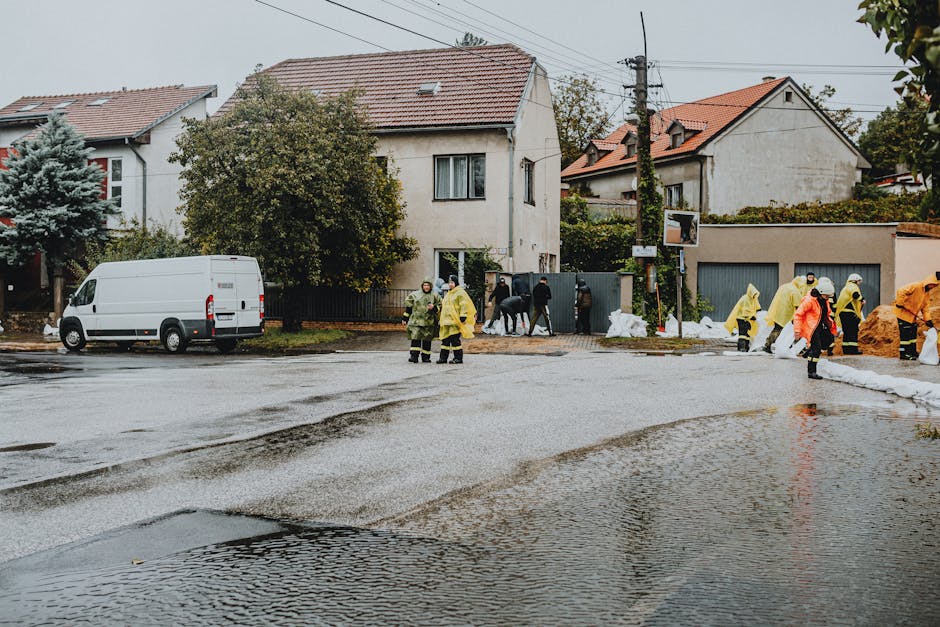
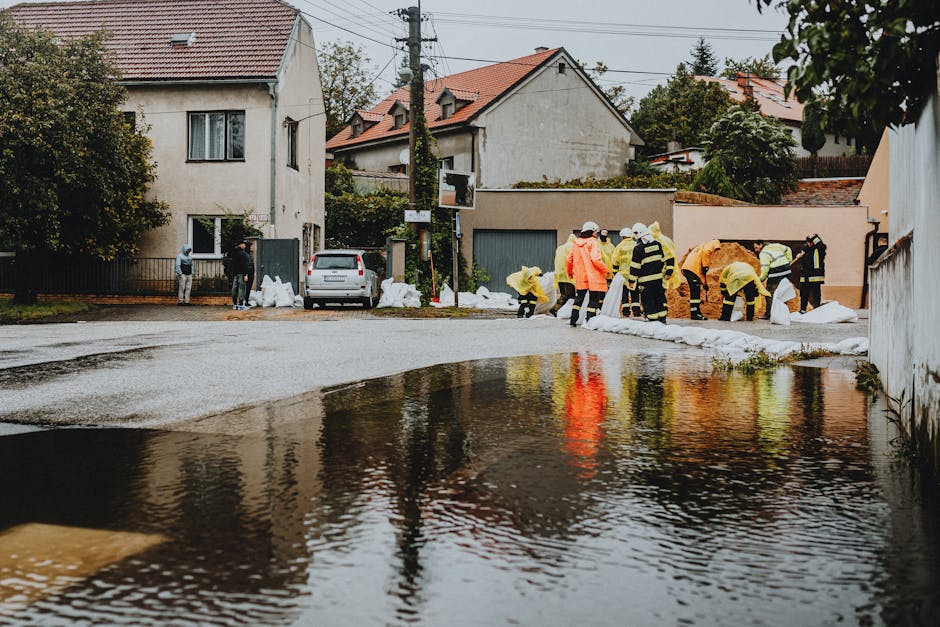
Emergency Flood Waste Clearance for Hackbridge Homes
When floodwater gets into a Hackbridge home, the mess is rarely just "a bit of water and a mop." You can end up with soaked carpets, warped furniture, broken plasterboard, ruined boxes, dirty garden waste, and that heavy, unpleasant smell that seems to sit in the air for days. Emergency Flood Waste Clearance for Hackbridge Homes is about moving quickly, safely, and sensibly so you can get the damaged material out before it causes more trouble.
Truth be told, the first 24 to 48 hours can make a huge difference. Wet waste can become harder to handle, smell worse, and create more risk the longer it sits. This guide explains what flood waste clearance involves, how the process usually works, what to avoid, and how to decide what should be removed, what can be cleaned, and what should be left for specialist drying or repair. If you want a practical, local-friendly view rather than generic advice, you're in the right place.
Table of Contents
- Why Emergency Flood Waste Clearance for Hackbridge Homes Matters
- How Emergency Flood Waste Clearance for Hackbridge Homes Works
- Key Benefits and Practical Advantages
- Who This Is For and When It Makes Sense
- Step-by-Step Guidance
- Expert Tips for Better Results
- Common Mistakes to Avoid
- Tools, Resources and Recommendations
- Law, Compliance, Standards, or Best Practice
- Options, Methods, or Comparison Table
- Case Study or Real-World Example
- Practical Checklist
- Conclusion
- Frequently Asked Questions
Why Emergency Flood Waste Clearance for Hackbridge Homes Matters
Flood waste clearance is not just about "tidying up after the water goes down." It is part safety measure, part damage control, and part recovery plan. In a typical Hackbridge home, floodwater can affect the ground floor, hallway storage, garages, loft access points, sheds, and anything left in a conservatory or porch. Once items soak up dirty water, they can begin to break down quickly.
That matters for a few reasons. First, water-damaged waste can become a slip hazard. Second, it can block air movement, which slows drying in the rooms that actually need to recover. Third, porous items such as chipboard furniture, underlay, cardboard, soft furnishings, and insulation often cannot be properly salvaged once contaminated. And fourth, the longer wet waste stays in place, the more likely it is to attract mould, flies, and that sour, stale smell nobody wants in the house.
There's also a simple emotional side to this. After a flood, the house can feel upside down. You look at a pile of ruined belongings and think, where on earth do I start? Emergency clearance creates a clean line in the sand. It says: this is the damaged material, and this is the part of the home we can now begin to restore.
Key takeaway: the faster you separate flood-damaged waste from salvageable belongings, the easier it is to dry the property, protect indoor air quality, and stop the problem spreading room to room.
If you are also dealing with general rubbish, broken household items, or bulky wet furniture, a broader waste removal service can help keep the clean-up moving without turning your driveway into a long-term storage area for soggy things no one wants to touch twice.
How Emergency Flood Waste Clearance for Hackbridge Homes Works
In practice, flood waste clearance follows a simple pattern: assess, sort, remove, and dispose responsibly. The trick is doing those steps quickly without making things messier. A good approach starts with safety and ends with proper disposal, not with dragging everything to the kerb and hoping for the best. To be fair, that is how a lot of people begin-but it rarely ends well.
1. Initial assessment
The first job is to look at what has been affected. This means checking furniture, flooring, boxed items, rugs, soft furnishings, and anything stored low down. You also need to identify what may be contaminated by foul water, garden runoff, sewage, or silt. Those materials are usually treated with more caution because they may not be safe to keep indoors.
2. Sorting into clear groups
Flood waste is usually split into three groups:
- Salvageable items that can be cleaned and dried
- Questionable items that need a closer look or specialist advice
- Non-salvageable waste that must be removed
This is where people often get stuck. A favourite armchair may look "not too bad," but if the base has absorbed dirty water, it can keep smelling even after the fabric appears dry. Likewise, MDF furniture might look sound for a day or two and then start swelling at the edges. It's annoying, yes, but flood damage is sneaky like that.
3. Safe loading and removal
Once the waste is separated, it is loaded carefully so contaminated material does not spread through clean areas. Heavy items may need two people. Fragile debris, broken glass, nails, and sharp edges should be managed with gloves and sturdy sacks or containers. Wet cardboard and soaked textiles are awkward and heavier than they look. Anyone who has lifted a sodden rug knows this already.
4. Disposal and recycling
Where possible, materials are taken to the correct waste stream. Not everything from a flood needs to go to landfill. Some elements, such as certain metals or untreated clean materials, may be recyclable depending on condition and contamination. Reuse and recycling are not always possible after floodwater exposure, but responsible sorting still matters. You can read more about our approach on the recycling and sustainability page.
5. Final clear-up
The final stage is getting the space back to a safe, workable state. That may mean clearing a hallway, removing ruined underlay, taking out damaged furniture, or emptying a garage that has become a holding bay for soaked boxes. In a smaller property, especially a flat, this can be the difference between moving on quickly and living around damp debris for another week.
Key Benefits and Practical Advantages
The real value of emergency flood clearance is not simply speed. It is what speed allows you to do next.
- Less secondary damage: removing soaked items early reduces the chance of mould, odour, staining, and hidden damp.
- Better drying conditions: empty rooms dry faster when bulky wet materials are gone.
- Safer access: you reduce trip hazards, sharp debris, and blocked walkways.
- Less stress: a clear plan is calming when everything feels chaotic.
- Cleaner decision-making: once items are grouped, you can focus on what to save instead of reacting in the moment.
- More efficient repairs: decorators, plumbers, drying contractors, or builders can work more easily in a cleared space.
One benefit people sometimes overlook is air quality. Flooded materials can hold damp smells and fine debris. Even if the room looks "nearly fine," the air can still feel stuffy or earthy. Once the waste is out, the space often feels different straight away. Not fixed, obviously, but better. A bit more breathable.
For larger clear-outs linked to damaged internal fittings, it may help to combine flood waste work with home clearance support or, where the whole property has suffered substantial damage, a structured house clearance approach. That makes it easier to keep the job organised rather than dealing with one corner at a time and losing momentum.
Who This Is For and When It Makes Sense
Emergency flood waste clearance is for any Hackbridge homeowner facing fast-moving clean-up after water ingress. That could be from a burst pipe, heavy rain, a backed-up drain, or a localised flood that has entered the property. It also makes sense when the flood has left behind contaminated waste that should not sit in a living area.
Typical situations include:
- Ground-floor rooms with soaked furniture and flooring
- Garages filled with damaged boxes, tools, and stored household items
- Lofts or storage spaces where water has dripped through and ruined belongings
- Garden sheds with flood-damaged garden waste, timber, or bagged rubbish
- Flats where access is tight and waste needs to be removed carefully without disturbing neighbours
If you live in a flat, the logistics can be a bit fiddly. Stairs, shared entrances, and limited parking mean you need a tidy plan. A flat clearance style approach can be useful because it keeps the moving-out process controlled and considerate.
It also makes sense when a property has mixed waste: for example, flooded furniture in the lounge, broken shelving in the loft, and muddy items in the garage. In that case, a combination of furniture disposal and targeted clearance can keep the job practical rather than overcomplicated. No need to reinvent the wheel while the hallway smells like wet carpet.
Step-by-Step Guidance
If you are trying to manage the first stages yourself, here is a sensible order of operations. Keep it simple. Flood clean-up is stressful enough without turning it into a weekend project with six false starts.
- Make the area safe. Turn off electricity to affected areas if there is any risk, avoid standing water near plugs or appliances, and wear protective gloves and sturdy footwear.
- Open windows where it is safe to do so. Fresh air helps, even if only a little at first.
- Separate what is clearly ruined. Start with cardboard, wet paper, saturated soft furnishings, and swollen chipboard or MDF.
- Move salvageable items away from the damp zone. Lift them onto dry surfaces or into another room if possible.
- Bag and contain debris. Don't leave loose muck, broken glass, or slimy fabric on the floor.
- Photograph damage if you need records. This can help with insurance or landlord conversations.
- Arrange clearance quickly. The longer the waste sits, the more difficult it becomes.
- Follow up with drying and repair. Waste removal is only one part of recovery.
A useful rule of thumb: if an item has absorbed dirty floodwater and cannot be thoroughly cleaned, it is usually safer and more practical to remove it. You do not want to keep "maybe" items in the house for weeks. They become a source of doubt, and doubt becomes clutter. Clutter, in this case, is not harmless.
If the flood has also brought in broken storage units, damaged wardrobes, or soaked sofas, it can be worth grouping them with a dedicated furniture clearance service so they are collected efficiently rather than left to rot indoors.
Expert Tips for Better Results
Small decisions make a surprisingly big difference after a flood. Here are a few things that tend to help in real homes, especially when the clock is ticking and everyone is tired.
- Separate early, not later. Make one stack for waste, one for salvage, and one for "not sure yet." That last pile should stay small.
- Think about airflow. Don't block vents, windows, or doorways with bags and broken items.
- Use the garage carefully. It is tempting to store everything there, but a damp garage can become a secondary problem. Clearing it properly may be better.
- Watch for hidden moisture. Under sofas, behind cabinets, and under stair storage often hold damp longer than expected.
- Be honest about materials. Fabric, chipboard, untreated insulation, and cardboard are often not worth "saving" if they have been soaked.
- Keep a running list. Even a scrappy notebook note on the kitchen table can stop you forgetting what has already been removed.
Here's a small but useful tip from experience: if an item still smells strongly after it has had a fair chance to air, that is usually your answer. Your nose is often more reliable than optimism. Harsh, but true.
And if the flood has affected the outside too, for example muddy patio overflow or wet organic debris against the fence, a garden clearance approach can help you separate outdoor waste from indoor contamination. That distinction matters more than people think.
Common Mistakes to Avoid
Flood recovery often goes wrong in the same few ways. The mistakes are understandable, especially if the event happened at night or everyone is exhausted. Still, they are worth avoiding.
- Keeping damaged items "just in case." Sentimental pieces deserve thought, but not every waterlogged item is salvageable.
- Mixing clean and contaminated waste. Once they are mixed, disposal becomes harder and cleaner items may also need to be treated as waste.
- Waiting too long to clear. The smell, mould risk, and weight of wet items all get worse with time.
- Trying to move heavy soaked furniture alone. That is how backs get hurt and floors get damaged.
- Drying items in place without sorting them. It sounds efficient, but often just delays the real job.
- Forgetting access and parking. In a Hackbridge street, especially if space is tight, clear access saves a lot of time.
One more thing: don't assume all waste can go in the same bin or be left out casually. Flood waste can include materials that are too bulky, too contaminated, or simply not appropriate for normal household disposal. That's when a planned clearance service becomes the sensible option, not the flashy option.
Tools, Resources and Recommendations
You do not need a warehouse of specialist equipment to get started, but the right basics make the process cleaner and safer.
- Strong gloves
- Sturdy shoes or boots
- Heavy-duty sacks or rubble bags
- Labels or marker pens for sorting
- Torches for darker rooms or loft spaces
- Dust masks where mould or fine debris is present
- Cleaning cloths for quick wipe-downs of non-porous surfaces
- A notebook or phone list for tracking what has been removed
For a property-level clean-up, it can also help to think in terms of zones. Kitchen, hallway, living room, storage space, and external areas are easier to manage when each one is tackled separately. It sounds obvious, but people often jump around the house and end up with half-cleared rooms everywhere. That is exhausting.
If the flood has exposed old clutter as well as damaged items, pairing clearance with a general home clearance can help reset the property in one go. For properties with long-term storage buildup, especially in roof space, a loft clearance may be needed once it is safe to access.
Law, Compliance, Standards, or Best Practice
Flood waste clearance is not just practical; it also sits within normal UK expectations around safe handling and responsible disposal. While the exact steps can vary depending on the situation, a careful approach usually means the waste is handled by people who know how to separate materials, avoid cross-contamination, and dispose of items through the correct channels.
There are a few broad best-practice points worth keeping in mind:
- Contaminated materials need caution. If floodwater may have carried sewage, silt, chemicals, or sharp debris, it should be handled more carefully than ordinary household waste.
- Manual handling matters. Wet furniture is heavier than dry furniture, and lifting technique is not a small detail.
- Access and safety should come first. Slips, trip hazards, broken glass, and weakened flooring are all common flood-related risks.
- Responsible disposal is part of the job. Waste should not be dumped, fly-tipped, or left in a way that creates nuisance for neighbours.
Best practice also means being clear about who is doing what. If you have an insurance claim, a landlord, or a builder involved, keep notes and photographs so everyone has the same picture. That saves time later. Usually a lot of time.
If you want to know more about how the company approaches safe working, the health and safety policy and insurance and safety information are sensible places to look. For payment confidence and reassurance around booking, you can also review payment and security details.
Options, Methods, or Comparison Table
Not every flood clean-up needs the same level of help. The right option depends on how much waste there is, how contaminated it is, and how quickly the property needs to be cleared for drying or repair.
| Option | Best for | Advantages | Limitations |
|---|---|---|---|
| DIY sorting and bagging | Very small, light clean-ups | Low cost, immediate start | Tiring, slow, and risky with wet heavy items |
| Partial professional clearance | Mixed waste, a few bulky items, tight access | Faster, safer, more organised | May still require some homeowner sorting |
| Full emergency clearance | Major flooding, contaminated waste, urgent drying needs | Fastest route to a clear property | May be more involved if the whole home is affected |
If the flood waste overlaps with renovation debris, such as plaster, broken cupboards, or torn-out flooring, it can make sense to treat the job as part of a broader clearance rather than a simple bin-emptying exercise. In those cases, a service like builders waste clearance can be useful because the material mix often includes heavy, awkward, and renovation-related waste alongside flood damage.
And if the affected property is also a working space, shop, or small business home office, you may need to think about business continuity too. A business waste removal approach can sometimes be the cleaner fit for mixed commercial and residential contents. Not always, but often enough.
Case Study or Real-World Example
Imagine a Hackbridge ground-floor home after a night of heavy rain. Water has come in through an entry point near the back door. By morning, the hallway has damp boxes, the living room rug is soaked, and a sideboard has started to swell at the base. There is a faint earthy smell, and the homeowner is unsure whether to keep the furniture or give up on it.
The first sensible move is not to panic-sort everything at once. The ruined cardboard boxes go straight out. The rug is checked for how far the water has wicked through; if the underlay is soaked, it is usually not worth hanging on to. The sideboard is inspected, and once the swelling and water staining are obvious, it is separated from the items that can be cleaned and dried.
Next comes the space itself. Once the damaged waste is removed, the hallway is easier to ventilate. The floor becomes safer to walk on. The owner can then focus on drying, cleaning, and arranging repairs rather than stepping around wet clutter. That shift, from chaos to order, is often what people remember most. The room feels usable again, even before the final repair is done.
A similar pattern often appears in smaller homes and terraces where access is limited. It does not take a huge flood to create a huge disruption. Just a little water in the wrong place. Enough, anyway, to make life messy for a while.
Practical Checklist
Use this quick checklist if you are dealing with flood waste at home and need a clear head.
- Check for electrical risk before entering affected areas fully
- Wear gloves and sturdy footwear
- Open windows if conditions allow
- Separate salvageable items from ruined waste
- Remove cardboard, textiles, and swollen chipboard early
- Keep contaminated materials away from clean belongings
- Photograph damage for records if needed
- Measure access issues such as stairs, parking, or narrow paths
- Arrange clearance before mould or odour gets worse
- Follow up with drying, cleaning, and repair work
If you want a simple service starting point, review the main house clearance information and the company's pricing and quotes page so you know what to expect before booking. It helps to ask the right questions early rather than halfway through the mess.
Conclusion
Emergency Flood Waste Clearance for Hackbridge Homes is about restoring control quickly. Not in a dramatic way, just in a practical, steady way that helps the home breathe again. The priority is simple: remove unsafe and unsalvageable waste, protect the items that can still be saved, and clear a path for drying and repairs.
When floodwater has been in the house, delay tends to multiply the problem. Fast clearance reduces mess, reduces risk, and makes the next stage far more manageable. If you are facing a flooded room right now, the main thing is to start with safety, sort with care, and get the damaged waste out before it settles in for the long haul.
Get a free quote today and see how much you can save.
If you want to understand the people behind the service before making a decision, you can also read more on the about us page or use the contact page when you are ready to talk through the job. Either way, the goal is the same: calm the chaos, clear the space, and give the home a proper chance to recover.
Frequently Asked Questions
What counts as flood waste in a Hackbridge home?
Flood waste includes items damaged by water that can no longer be safely used or realistically cleaned. That usually means soaked carpets, ruined cardboard, swollen chipboard furniture, contaminated soft furnishings, and broken debris from the flood itself.
How quickly should flood waste be removed?
As soon as it is safe to do so. The longer damaged items stay indoors, the more likely you are to get mould, odour, and secondary damage to floors and walls.
Can wet furniture be saved?
Sometimes, yes. Solid timber pieces may dry out better than flat-pack furniture or upholstered items. But once floodwater has soaked into porous materials, the item may become impractical to keep.
Do I need to sort waste before booking clearance?
It helps if you can separate obvious rubbish from items you want to keep, but you do not need a perfect system. A clear idea of what is damaged and what is salvageable is usually enough.
What if the floodwater smelled dirty or may have been contaminated?
Treat the waste more cautiously. Anything exposed to contaminated water may need stronger handling and more careful disposal than ordinary household rubbish.
Is flood waste clearance different from ordinary house clearance?
Yes. Flood waste often involves damp, heavy, contaminated, or odorous items that need quicker removal and safer handling than a standard declutter.
Can flood waste be recycled?
Sometimes, but not always. Contamination can limit recycling options. Good sorting still helps because some materials may be recoverable depending on what they were exposed to.
What should I do first after discovering flood damage?
Check for electrical risk, avoid unnecessary contact with standing water, and then separate obvious waste from anything that might still be salvageable. Safety first, always.
Will emergency clearance help with mould risk?
Yes, removing wet waste quickly reduces the amount of material feeding mould growth and improves airflow for drying. It is not a cure on its own, but it is a major part of the solution.
How do I know if the job is too big for DIY?
If you have bulky soaked furniture, contaminated waste, poor access, or more than a small amount of debris, it is probably time to get help. If lifting it feels risky, that is a pretty good sign already.
What about flooded lofts, garages, or sheds?
Those areas often need their own clearance plan because they tend to hold stored items, boxes, tools, and mixed waste. A targeted approach keeps the job organised and stops damp waste from spreading around the property.
How do I prepare for a clearance visit?
Make access as clear as possible, identify the worst-affected areas, and set aside anything you definitely want to keep. If there are parking or access issues, mention them early so the work can be planned properly.