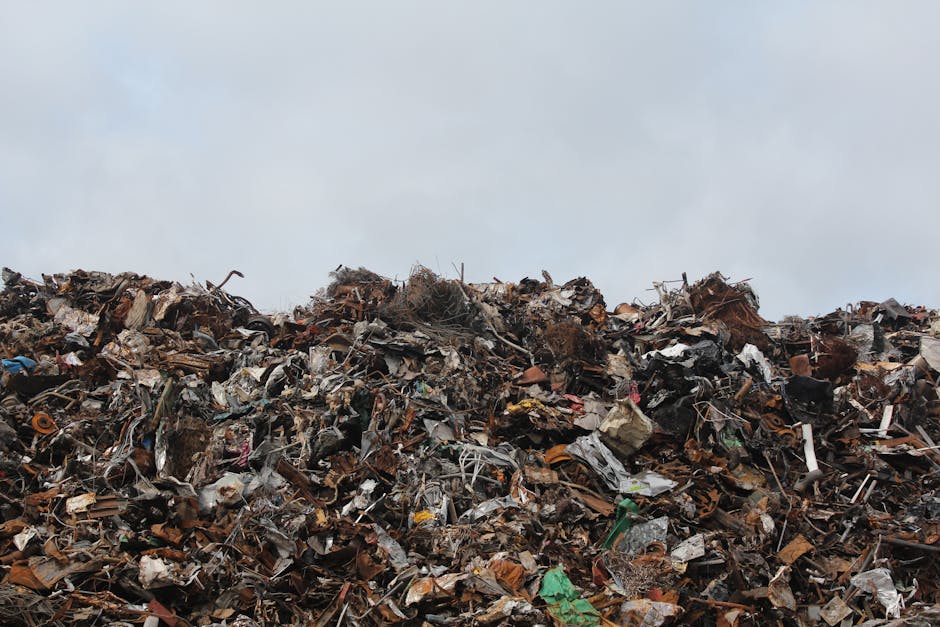
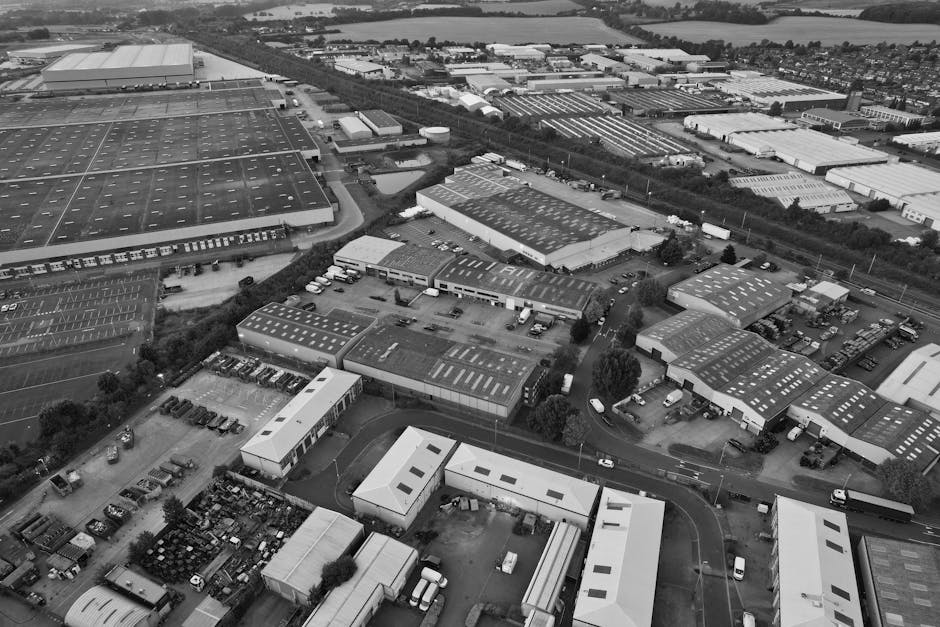
Rapid rubbish clearance for Beddington Industrial Estate
If you need rapid rubbish clearance for Beddington Industrial Estate, you usually need it for one of two reasons: the waste is getting in the way of work, or it has become a headache you simply do not have time to keep stepping around. Either way, speed matters. So does doing it properly. A pile of mixed rubbish outside a unit, broken office furniture in a corridor, or leftover packaging from a delivery can slow a team down fast. And in an industrial estate, that mess can also affect safety, access, and how professional your site looks to clients and contractors.
This guide walks through how fast clearance works, what to expect, who it helps most, and how to avoid the usual mistakes. It also explains the practical side of choosing a waste removal service in Hackbridge and the Beddington area, without the fluff. Let's face it, nobody wants a lecture when they just need the waste gone.
Table of Contents
- Why rapid rubbish clearance matters
- How the clearance process works
- Key benefits and practical advantages
- Who this is for and when it makes sense
- Step-by-step guidance
- Expert tips for better results
- Common mistakes to avoid
- Tools, resources and recommendations
- Law, compliance, standards and best practice
- Options, methods and comparison
- Case study or real-world example
- Practical checklist
- Conclusion
- Frequently asked questions
Why Rapid rubbish clearance for Beddington Industrial Estate Matters
Beddington Industrial Estate is the sort of place where space gets used hard. Vans come and go, stock arrives in bursts, packaging builds up quicker than people expect, and one awkward pile of waste can make a loading bay feel half its size. In that environment, rubbish is not just an eyesore. It can interrupt operations, create trip hazards, block access routes, and frustrate staff who are already trying to stay on schedule.
Speed matters because delay has a knock-on effect. A skipped collection or a slow response can leave waste sitting outside longer than it should, which can attract complaints from neighbouring units and make a site look unmanaged. If you run a trade counter, warehouse, workshop, or office on or near the estate, rapid clearance helps keep the day moving. That is the real point. Not just tidiness, but flow.
There is also a practical business angle. When waste is cleared quickly, teams spend less time working around clutter and more time getting on with jobs. A clean yard or store area makes stock easier to reach, equipment easier to move, and fire exits easier to keep clear. Simple enough, but you notice the difference immediately when it is done right.
Practical takeaway: fast waste removal at an industrial estate is not a luxury service. It is often part of keeping the site safe, usable and presentable without interrupting work.
How Rapid rubbish clearance for Beddington Industrial Estate Works
The process is usually straightforward, though the exact setup depends on the type and volume of waste. In most cases, rapid clearance follows a clear sequence: enquiry, assessment, arrival, loading, sorting, and removal. The useful bit is that you do not normally need to organise skips, permits, or a long site shutdown just to get going.
First, you describe what needs removing. That might be cardboard, mixed commercial waste, furniture, wood offcuts, office clutter, old shelving, or a mix of trade waste and bulky items. The more accurate you are at this stage, the better the collection can be planned. If there is anything awkward, such as heavy items upstairs, restricted access, or waste that has been left in multiple spots, say so early. Saves hassle later. Usually a lot of it.
Next comes scheduling. Rapid rubbish clearance is often arranged for same-day or next-day collection where availability allows, especially if the job is time-sensitive. A good team will ask practical questions about access, parking, and loading conditions. On an industrial estate, these small details make a big difference. A van with a clear route in and out can clear waste far faster than one forced to shuffle around parked vehicles.
Once on site, the crew sorts and loads items efficiently. Mixed waste may be separated where possible for recycling, while reusable items may be handled differently if the service offers that. If you are dealing with business waste, it is sensible to keep a brief record of what leaves site. That supports tidy internal reporting and helps if you want a paper trail later.
If you want a broader overview of business-focused collections, the business waste removal service page gives useful context on how commercial waste is usually handled. For larger or more complex clearances, the waste removal service information is also worth a look.
Key Benefits and Practical Advantages
The obvious benefit is that the waste disappears quickly. But in real life, the value goes beyond speed. Here are the advantages that tend to matter most on an estate like Beddington.
- Less disruption: work can continue while the clearance is carried out, especially if the team is experienced with commercial sites.
- Safer walkways and work areas: removing rubbish reduces trip hazards, loose packaging, sharp edges, and blocked access.
- Better first impression: clients, suppliers, and inspectors are less likely to walk into a messy scene.
- More usable space: a cleared yard, unit, or storeroom gives you room to operate properly again.
- Less stress for staff: clutter has a way of becoming mental clutter too. Slightly annoying, but true.
- Faster turnaround after projects: once a fit-out, move, refit, or stock change is finished, waste can be removed without waiting around.
There is also an environmental benefit when the right disposal route is used. Good operators aim to sort recyclable materials where practical, especially cardboard, metal, clean timber, and some plastics. That does not solve everything, obviously, but it is a smarter approach than dumping mixed waste without thought.
If sustainability matters to your business, you may find the site's recycling and sustainability information helpful. It is useful for understanding how responsible disposal fits alongside speed.
Who This Is For and When It Makes Sense
Rapid rubbish clearance for Beddington Industrial Estate makes sense for a wide range of businesses and site users. It is especially relevant if waste is building up faster than your team can manage it internally, or if you need a one-off clearout without waiting for a regular collection cycle.
Common users include:
- warehouses with packaging, pallets, and mixed operational waste
- workshops and light industrial units with offcuts, broken materials, or redundant equipment
- offices that are relocating, downsizing, or refreshing furniture
- retail or trade counter premises with surplus stock packaging
- site managers dealing with end-of-job debris after maintenance or minor works
- business owners who have inherited a cluttered unit and need it cleared quickly
It also makes sense when you are in a bit of a bind. Perhaps a tenancy handover is coming up sooner than expected. Perhaps a delivery has left more waste than planned, and the yard is starting to look crowded. Or perhaps the weather has done what British weather does best and made everything more unpleasant than it needed to be. Wet cardboard. Mud. That sort of thing.
If the clearance is more about offices or mixed commercial interiors, the office clearance service can be a better fit. For furniture-heavy jobs, the furniture clearance and furniture disposal pages are useful references too.
Step-by-Step Guidance
If you want the job to go smoothly, a little prep makes a big difference. Here is a simple way to handle it.
- Identify the waste types. Separate what is clearly rubbish from anything that could be reused, stored, or recycled. Even a rough split helps.
- Estimate the volume. Think in practical terms: a few bags, a van load, multiple bulky items, or a full unit clearout. You do not need to be exact, but do not wildly understate it either.
- Check access. Note parking, loading height, narrow corridors, stairs, locked gates, or time restrictions. Industrial estates can be simple, and then suddenly not simple at all.
- Flag any awkward items. Heavy filing cabinets, shelving, fridges, or anything sharp or broken should be mentioned upfront.
- Book a suitable slot. If the clearance is urgent, ask whether a same-day or next-day visit is possible.
- Prepare the site. Move small obstructions, keep access routes clear, and make sure staff know what is staying and what is going.
- Confirm disposal expectations. Ask how the waste will be handled, especially if you need evidence for internal records or landlord checks.
- Walk through the area after collection. A quick final check catches anything missed. Worth doing every time.
In practice, the smoothest jobs are the ones where the site team and the clearance team communicate clearly. Nothing fancy. Just clear instructions, realistic timing, and a bit of common sense.
Expert Tips for Better Results
Over time, you start to notice what separates a tidy, efficient clearance from a messy one that drags on. A few habits help a lot.
Tip 1: Keep recyclable materials separate if you can. Cardboard in one place, metal in another, general waste somewhere else. Even partial sorting can speed things up and reduce confusion on the day.
Tip 2: Photograph the waste before collection. This is not about formality for the sake of it. It helps with internal records, landlord conversations, or simply remembering what was there before the clearout.
Tip 3: Book before the pile becomes unmanageable. People often wait one week too long. Then the job becomes harder, not just bigger.
Tip 4: If the site is active, plan around busy periods. Early morning or quieter midday windows can make loading easier. In an industrial setting, timing can matter more than people expect.
Tip 5: Be realistic about heavy items. A single old machine or steel cabinet can take more effort than three bags of waste. Size is not always the same as difficulty.
Tip 6: Ask about recycling routes. If your business wants responsible disposal, say so. Good operators should be able to explain the general approach in plain English.
And one small, very real tip: if the waste is outside, do not assume dry weather will last. A lot of British clearance jobs start sunny and end with everyone eyeing the sky nervously. Classic.
Common Mistakes to Avoid
Rapid clearance sounds simple, but a few mistakes can slow everything down or make the process more expensive than it needs to be.
- Underestimating the volume: a job described as "a few bits" can turn into a full load very quickly.
- Mixing hazardous and general waste: batteries, chemicals, oils, and some electrical items may need separate handling.
- Blocking access: parked vehicles, locked gates, or stacked pallets can add unnecessary delay.
- Leaving the clearout until the deadline week: this is where stress starts to pile up.
- Not checking disposal needs: if you require records or proof of service, ask before the collection, not after.
- Assuming all waste is the same: cardboard, metal, timber, furniture, and mixed commercial rubbish may not be treated the same way.
One more common slip-up: people tidy the obvious rubbish but leave the awkward bits behind. Then the "clearance" becomes a second job. Better to be upfront from the start, even if the list is a bit messy.
Tools, Resources and Recommendations
You do not need a warehouse full of gear to organise a good clearance, but a few practical tools help keep things under control.
- Labels or tape: useful for marking keep, remove, recycle, and relocate piles.
- Heavy-duty sacks and boxes: especially for smaller mixed waste or packaging.
- Basic measuring estimate: rough dimensions help when you are describing the load.
- Camera phone: for taking a quick record before and after.
- Access notes: a written list of gates, lifts, parking restrictions, or site contacts can save time on the day.
If the job is business-related, it can also help to keep a simple internal note of what was removed, where it came from, and when. That is especially handy for unit handovers, audits, or internal facilities tracking. Nothing dramatic. Just sensible record-keeping.
For overflow from office moves or mixed premises, the pages on home clearance and house clearance are not directly industrial services, but they can still help you understand how wider clearance jobs are organised and priced. If you are specifically dealing with a smaller store room, the garage clearance and loft clearance pages also show how mixed-item jobs are approached.
Law, Compliance, Standards and Best Practice
For commercial waste, the main point is simple: it should be handled responsibly and in line with normal UK business waste expectations. That usually means using a waste carrier, keeping clear records where needed, and making sure the waste is not left to create a nuisance or safety issue.
Different waste streams can need different handling. For example, electrical items, batteries, sharp waste, or anything that may be classed as hazardous should be treated with extra care. If you are not sure what something is, do not guess. Ask before collection. It is much easier than explaining a problem after the fact.
On an industrial estate, best practice also means keeping access routes clear, avoiding blocked fire exits, and not leaving waste where it can blow, leak, or attract pests. That sounds obvious, but busy sites can get untidy fast. A "we'll sort it tomorrow" attitude can become a real issue by Friday afternoon.
Health and safety matters too. If a clearance involves lifting, awkward items, or restricted access, the team should work in a way that reduces risk to staff and visitors. For more detail on the company's approach to safe working, the health and safety policy and insurance and safety pages are useful reference points.
If your rubbish includes commercial packaging, mixed operational waste, or materials from a renovation or strip-out, compliance becomes even more important. For related reading, the guide on commercial waste compliance for Hackbridge businesses is a practical companion piece, especially if you want the basics explained without legal jargon.
Options, Methods and Comparison
People often compare rapid rubbish clearance with skip hire or trying to handle waste internally. Each option has a place, but not every one suits a busy industrial estate.
| Method | Best for | Pros | Trade-offs |
|---|---|---|---|
| Rapid rubbish clearance | Urgent, mixed, or bulky waste with limited time | Fast, minimal disruption, crew handles loading | May cost more than a slower self-managed option |
| Skip hire | Longer projects with steady waste output | Good for ongoing jobs, useful on large worksites | May need space and possibly a permit depending on placement |
| Internal disposal by staff | Very small, low-risk waste volumes | Direct control, no booking delay | Time-consuming, labour-heavy, and not ideal for bulky items |
| Phased clearance | Larger estates or multi-area cleanouts | Breaks a big task into manageable parts | Takes longer and needs good planning |
Truth be told, the best option depends on your deadline, the type of waste, and how much disruption you can afford. If the site is active and you need the rubbish gone quickly, rapid clearance is often the cleanest answer. If the job is spread over several days, a different method may work better. No drama. Just choose the tool that fits.
For a useful comparison on this theme, the article on skip hire vs van load is worth a read. It helps explain why one approach can be better than the other in busy local settings.
Case Study or Real-World Example
Imagine a small industrial unit on Beddington Industrial Estate that has just finished a stock changeover. The team has pallet wrap, broken cartons, a few redundant shelves, and a couple of old office chairs sitting in the corner. Nothing outrageous. But the pile is growing, the loading bay is getting tighter, and a delivery due the next morning needs space to unload.
The manager does a quick walkthrough at the end of the day, takes a few photos, and separates obvious cardboard from mixed waste. They note that access is via the side gate and that there is limited room to park directly beside the unit. A rapid collection is booked for early the next morning before deliveries begin.
On arrival, the clearance team loads the waste in one visit, works around the access restriction, and clears the area before the delivery arrives. By mid-morning, the bay is usable again. The staff are not stepping over flattened boxes, and the manager does not need to juggle two problems at once. Simple example, but it shows the point: fast clearance can prevent a small build-up from turning into a bigger interruption.
That kind of job is common around active commercial estates. Not dramatic. Just the sort of practical tidy-up that makes a workday feel less fraught. And those little wins matter more than people think.
Practical Checklist
Use this checklist before booking rapid rubbish clearance for Beddington Industrial Estate.
- Identify exactly what needs removing.
- Estimate the load size as best you can.
- Separate recyclable items where practical.
- Flag heavy, awkward, or fragile items.
- Check access, parking, and loading restrictions.
- Confirm whether the job is urgent or can be scheduled.
- Ask how mixed waste will be handled.
- Keep the route to the rubbish clear.
- Take before photos if you want a record.
- Walk the area after collection to make sure nothing has been missed.
If you can tick most of those off, the collection is usually far smoother. Honestly, that last walk-through catches more little issues than people expect.
Conclusion
Rapid rubbish clearance for Beddington Industrial Estate is about more than getting rid of waste quickly. It is about keeping a working site safe, efficient, and ready for whatever comes next. Whether you are dealing with packaging, furniture, mixed business rubbish, or leftover materials after a busy period, a fast and organised clearance can save time, reduce disruption, and make the whole site feel easier to manage.
The best results usually come from a simple formula: clear communication, realistic expectations, sensible sorting, and a team that understands commercial access challenges. Do that, and the job tends to run a lot smoother than people fear.
Get a free quote today and see how much you can save.
If you want to explore the wider service range, you can also review the company's about us page or check the main blog for more practical local guidance. A tidy site has a quiet kind of confidence about it, and sometimes that is exactly what a busy estate needs.
Frequently Asked Questions
How fast can rubbish be cleared from Beddington Industrial Estate?
It depends on availability, the type of waste, and site access, but urgent collections are often arranged on a same-day or next-day basis where possible. The quickest jobs are usually the ones with clear access and a well-described load.
What types of waste can be removed quickly?
Typical items include mixed commercial rubbish, cardboard, packaging, office furniture, shelving, general bulky waste, and light trade debris. If you have anything hazardous or specialist, mention it early so it can be handled properly.
Is rapid rubbish clearance better than skip hire?
For urgent, mixed, or bulky waste, rapid clearance is often easier because the team loads everything for you. Skip hire can suit longer projects, but it usually needs more space and more on-site management.
Can you book a clearance for a specific time slot?
Often yes, especially if the site has delivery windows, shift patterns, or access restrictions. It is best to explain timing needs when you first enquire so the visit can be planned around your operations.
Do I need to sort the waste before collection?
Not always, but light sorting can help a lot. Separating cardboard, metal, and general rubbish can make the job quicker and may support better recycling outcomes. Even a rough sort is better than none.
What should I tell the clearance team before they arrive?
Share the waste type, rough volume, access details, any parking limitations, and whether there are heavy or awkward items. If the site is busy or restricted, that information can make the difference between a smooth visit and a messy one.
Is commercial waste handled differently from household rubbish?
Yes, it usually is. Business waste often involves different record-keeping, disposal routes, and expectations around responsible handling. That is why it helps to use a service familiar with commercial clearances.
What happens if the waste includes old electronics or batteries?
Those items may need special handling. Do not bury them in mixed waste without checking first. If you mention them in advance, the collection can be planned more safely and correctly.
Can rapid clearance help before a unit handover or inspection?
Absolutely. In fact, that is one of the most common reasons people book it. A fast clearance can help get a unit ready for landlord checks, move-outs, refits, or incoming tenants.
How do I know the waste is being disposed of responsibly?
Ask how the waste will be handled, whether recycling is used where practical, and whether records can be provided for business purposes. A professional operator should be able to explain the process clearly without making it sound mysterious.
What if the rubbish is spread across several rooms or areas?
That is fine in many cases, but it helps to point this out before the booking. Spread-out waste takes a little more coordination, especially in larger units or sites with multiple access points.
Is there a difference between one-off clearance and ongoing waste support?
Yes. A one-off clearance is for a specific build-up or deadline, while ongoing waste support is better for businesses that produce regular waste and need a steadier arrangement. If your site changes seasonally, you may even need both at different times.